
Earlier this year, I was invited to speak at brightonSEO and MeasureFest, where I shared how I’ve driven measurable Black Friday and Q4 growth across PPC and CRO.
The session drew on two long-term e-commerce case studies from my work as Head of Search Marketing at SOZO, grounded in lived delivery, real constraints, and proven results.
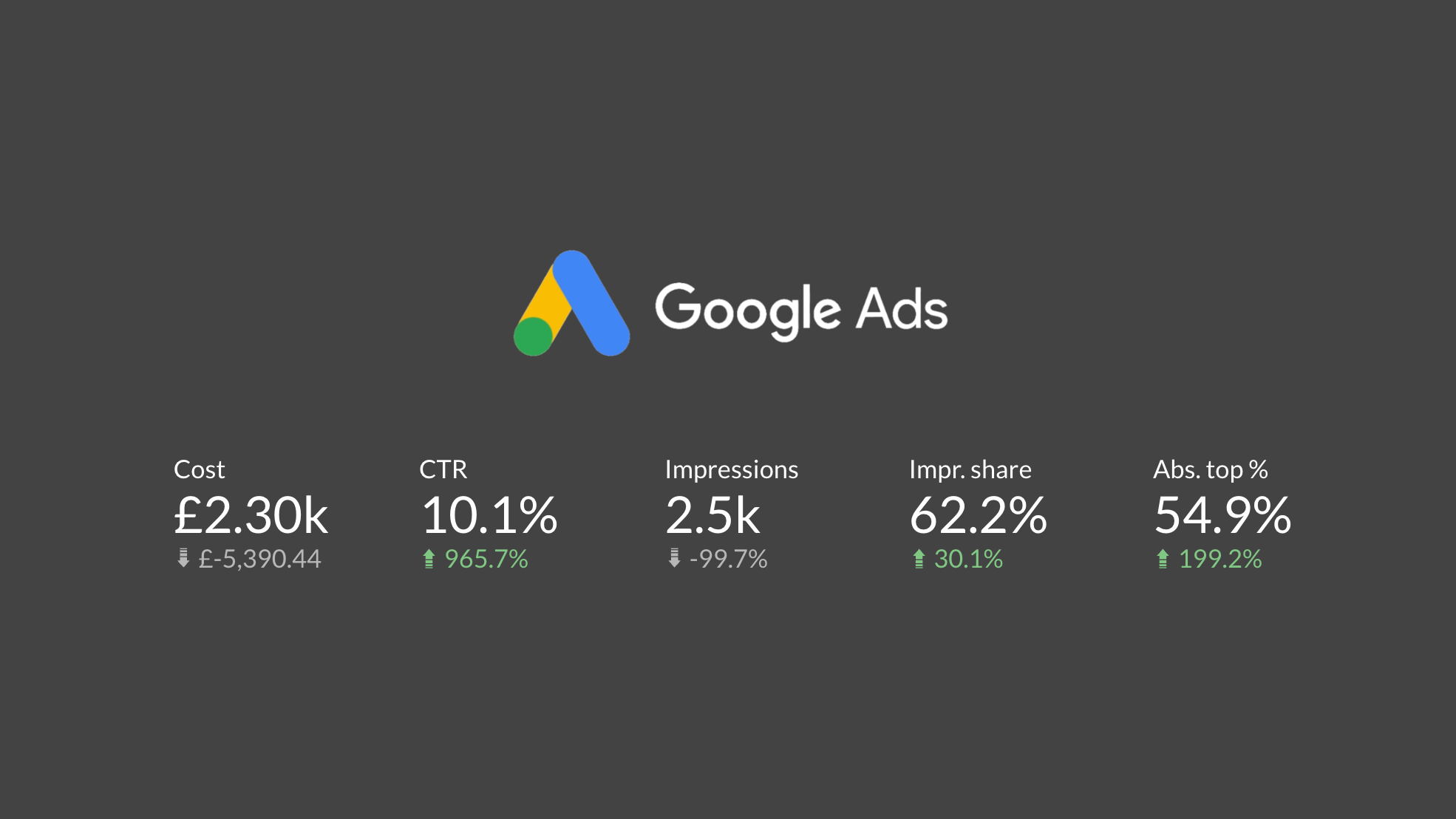
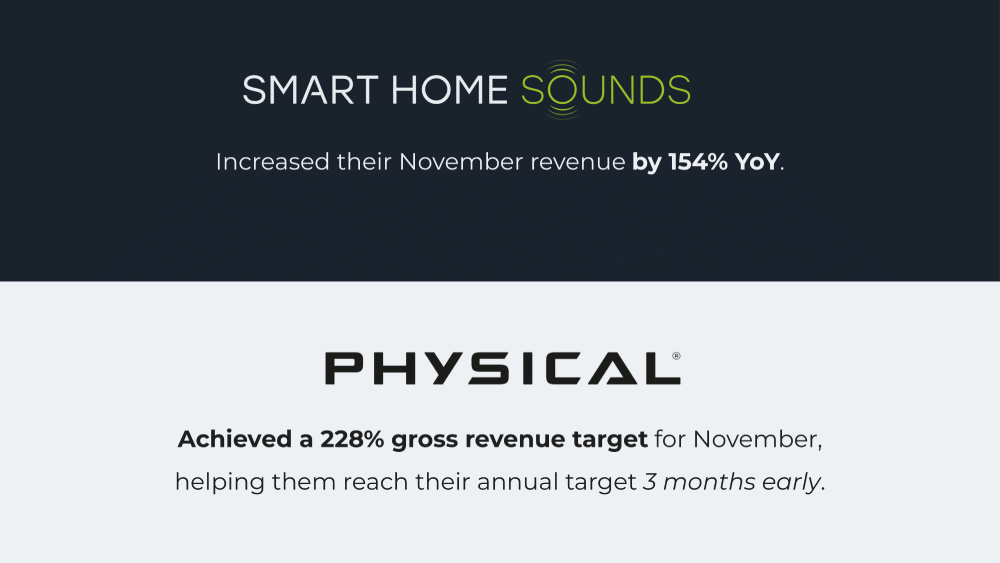
One of those was Smart Home Sounds, a leading independent retailer competing directly with the likes of John Lewis and Currys. I supported the business for over 15 years, from early-stage growth through to becoming a nationally recognised brand, delivering 155% above-target year-on-year PPC growth.
The other was Physical Company, a leading retailer of commercial and domestic gym equipment. I worked closely with them on SEO and PPC for the best part of a decade, delivering 228% of target in November 2024 and helping the business reach its annual revenue target three months early.
Those outcomes were not driven by a single tactic. They came from aligning strategy, CRO, PPC, infrastructure, and reporting around a clear understanding of how Black Friday actually behaves.
This post brings together the core thinking and lessons from that session. Although framed around peak trading, the principles outlined below form the foundation of how I approach PPC and CRO year-round.
Watch my highlights reel
From my 20-minute talk, you can watch five minutes of highlights below, covering a selection of the practical tips I shared:
The full on-demand video bundle from both conferences is available from brightonSEO if you want access to every session recording in full.
Tip 1: Treat Black Friday as a month-long funnel, not a single event
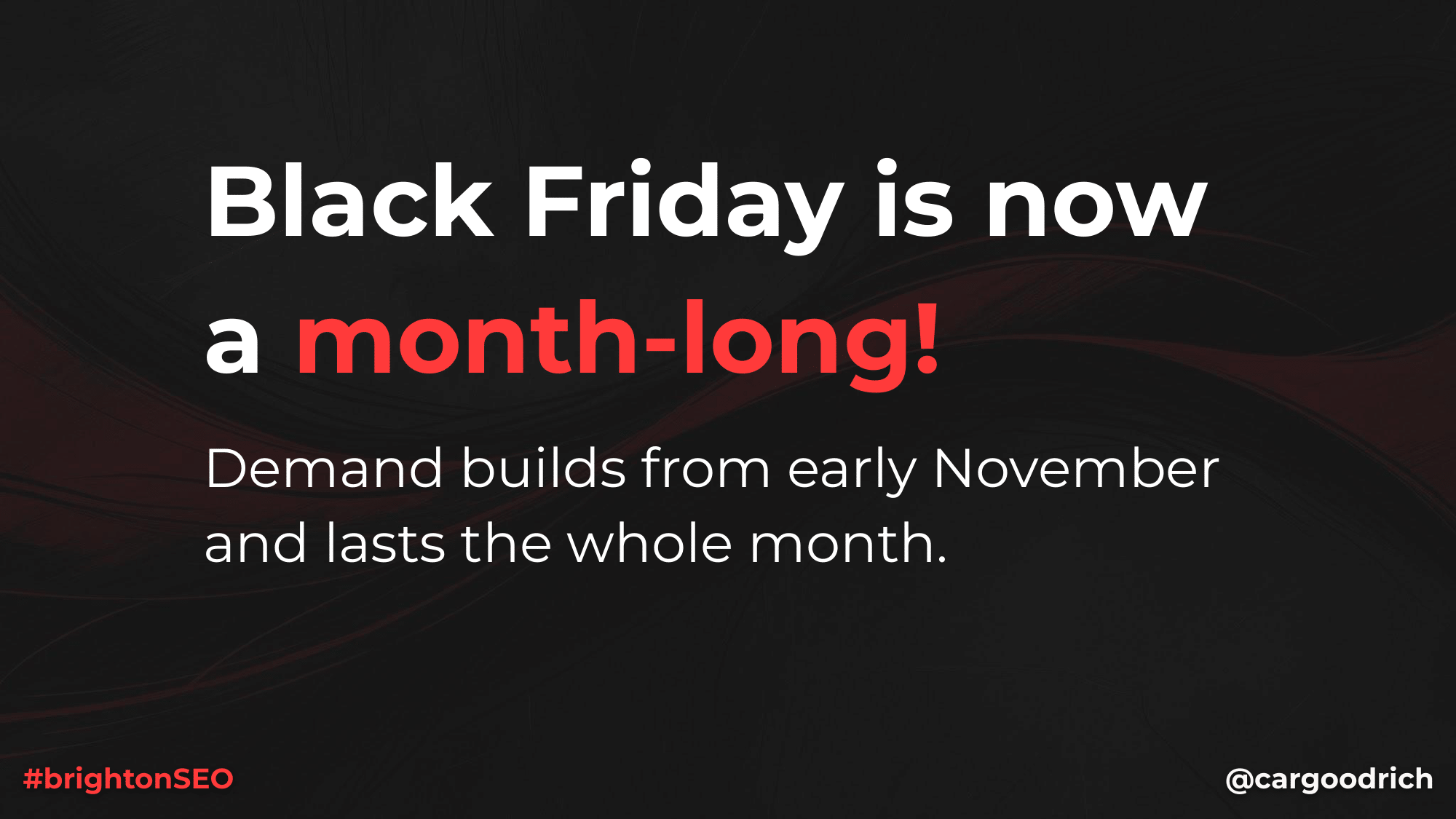
Black Friday is no longer a single day, or even a single week. It has become a month-long trading period, with demand building from early November, peaking around Black Friday itself, and carrying through Cyber Monday and beyond.
That shift creates a huge opportunity, but it also introduces complexity. More touchpoints, longer decision cycles, higher expectations, and far more ways for things to go wrong, especially for brands still treating Black Friday like a short-term promotion rather than a sustained trading period.
The scale of the opportunity makes this shift impossible to ignore. UK shoppers spent £1.12 billion online in just 24 hours last Black Friday, a 7.2% year-on-year increase, even with more people holding off until Cyber Weekend to make their purchase.
Looking at the wider picture, UK online spending reached £25.8 billion between 1st November and 31st December 2024, a 5.9% year-on-year increase and £1.4 billion more than 2023.
The opportunity is still huge, but only if campaigns reflect how people actually shop now.
Tip 2: Maintain visibility throughout November, not just at peak
One of the biggest mistakes I see is treating Black Friday as a single conversion event, where all focus is placed on the final purchase moment rather than the weeks of consideration and intent-building that lead up to it.
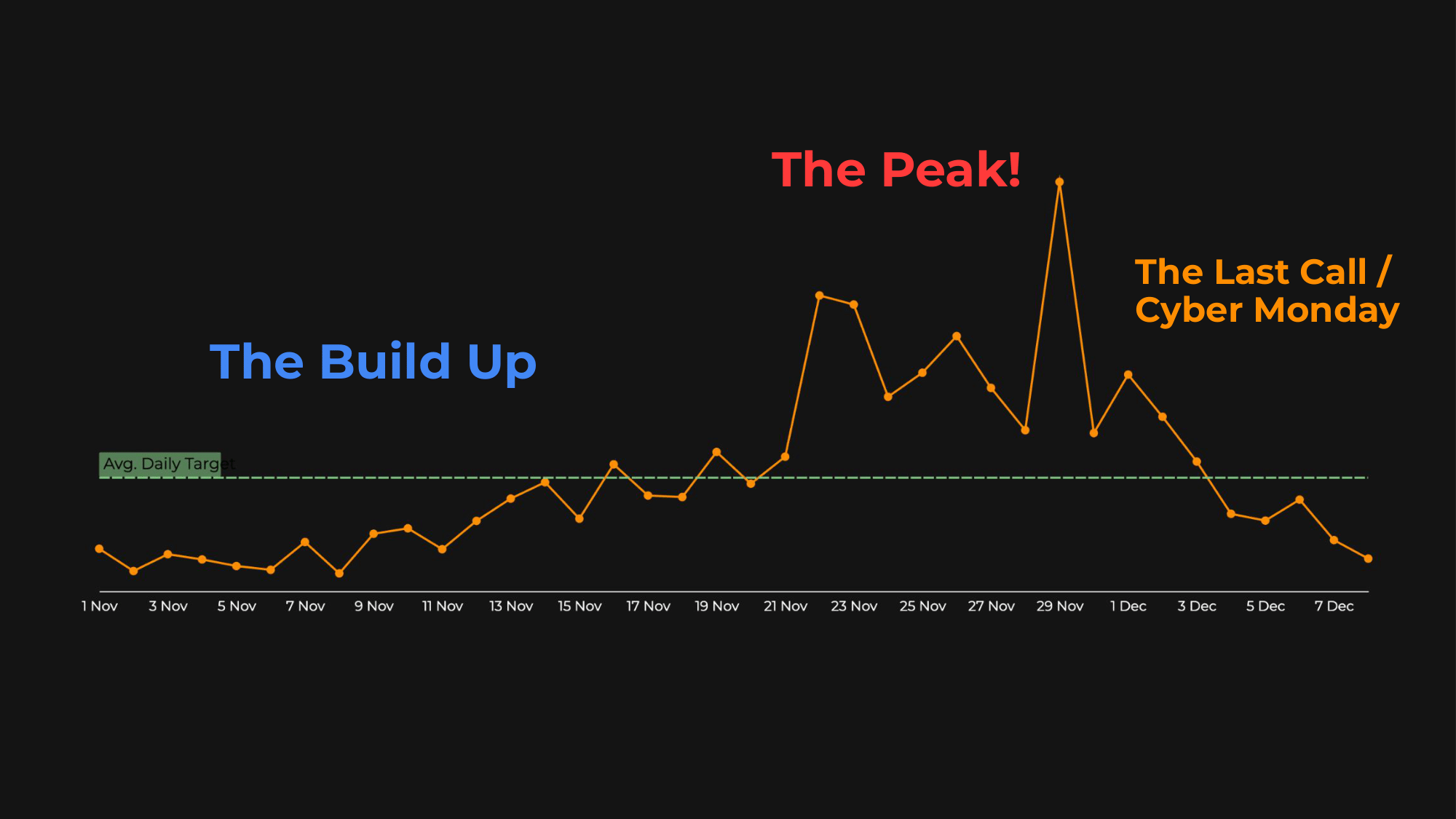
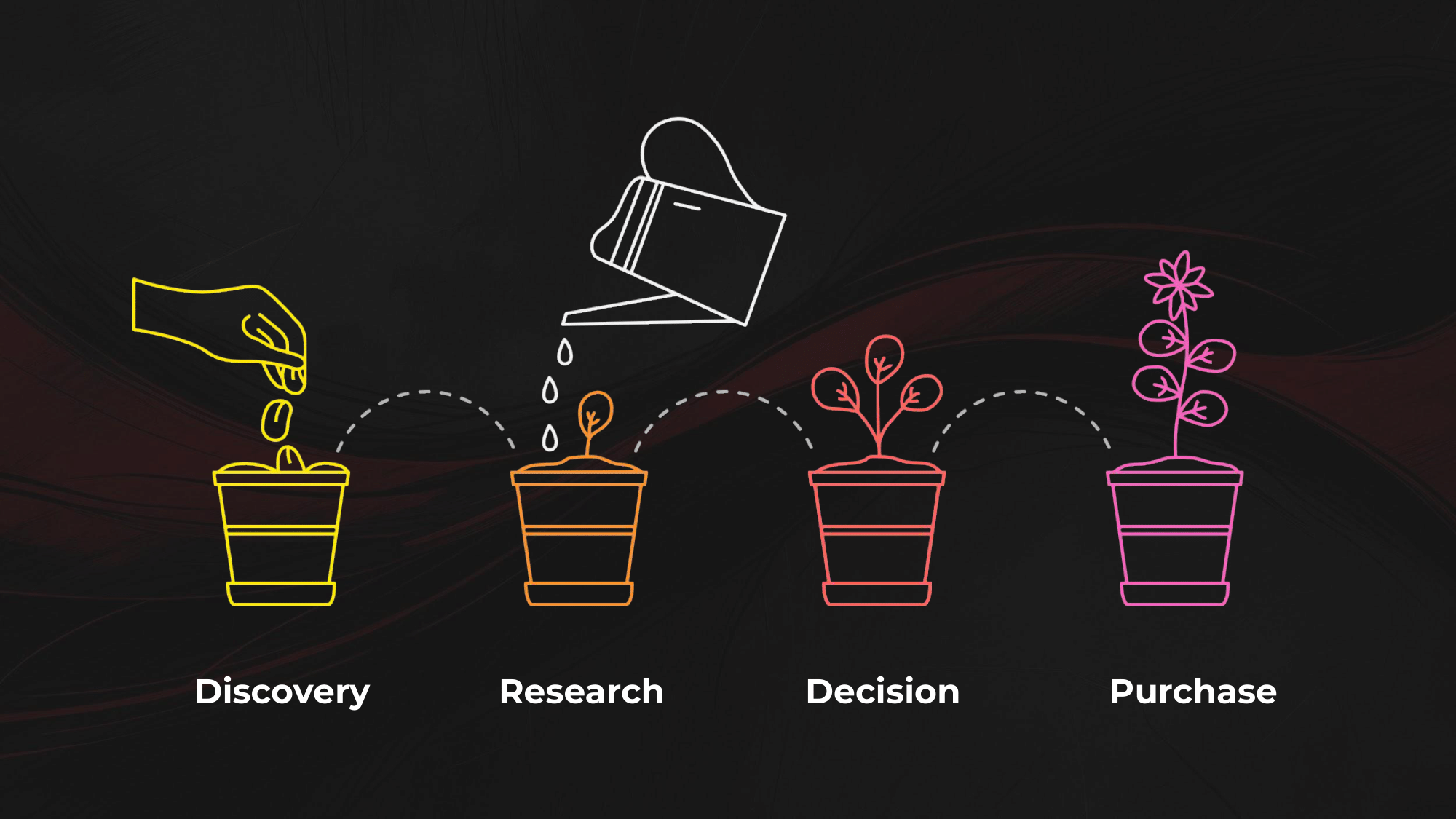
In practice, users move through familiar stages during November, often looping back and forth rather than progressing in a straight line. During discovery, a user may begin with broad, exploratory searches such as “home gym equipment” as they start to consider options:
-
Discovery - Users are becoming aware of products and categories, with broad, exploratory searches such as “home gym equipment”.
-
Research - Users actively compare options, features, and value across retailers, for example “best home gym equipment for home use”.
-
Decision - Intent sharpens as users narrow their shortlist and seek reassurance around brand or availability, reflected in searches like “Physical Company home gym equipment”.
-
Purchase - Urgency and confidence align, leading to highly transactional searches such as “buy home gym equipment Black Friday”.
Demand builds gradually, spikes around key moments, and then tapers rather than dropping off instantly. This is why visibility needs to be maintained throughout the month, not switched on aggressively for a few days and then dialled back.
Brands that only show up at the peak often miss the earlier demand-building phase, or struggle to convert users who are still weighing up options. By contrast, those that stay visible across November are able to influence consideration earlier, build intent, and convert more efficiently when demand reaches its highest point.
This is where aligning budgets, messaging, and bidding strategy to the full shape of November demand makes a measurable difference.
Tip 3: Define what success looks like before campaigns go live
Before touching tactics, the first question should always be: what does success look like?
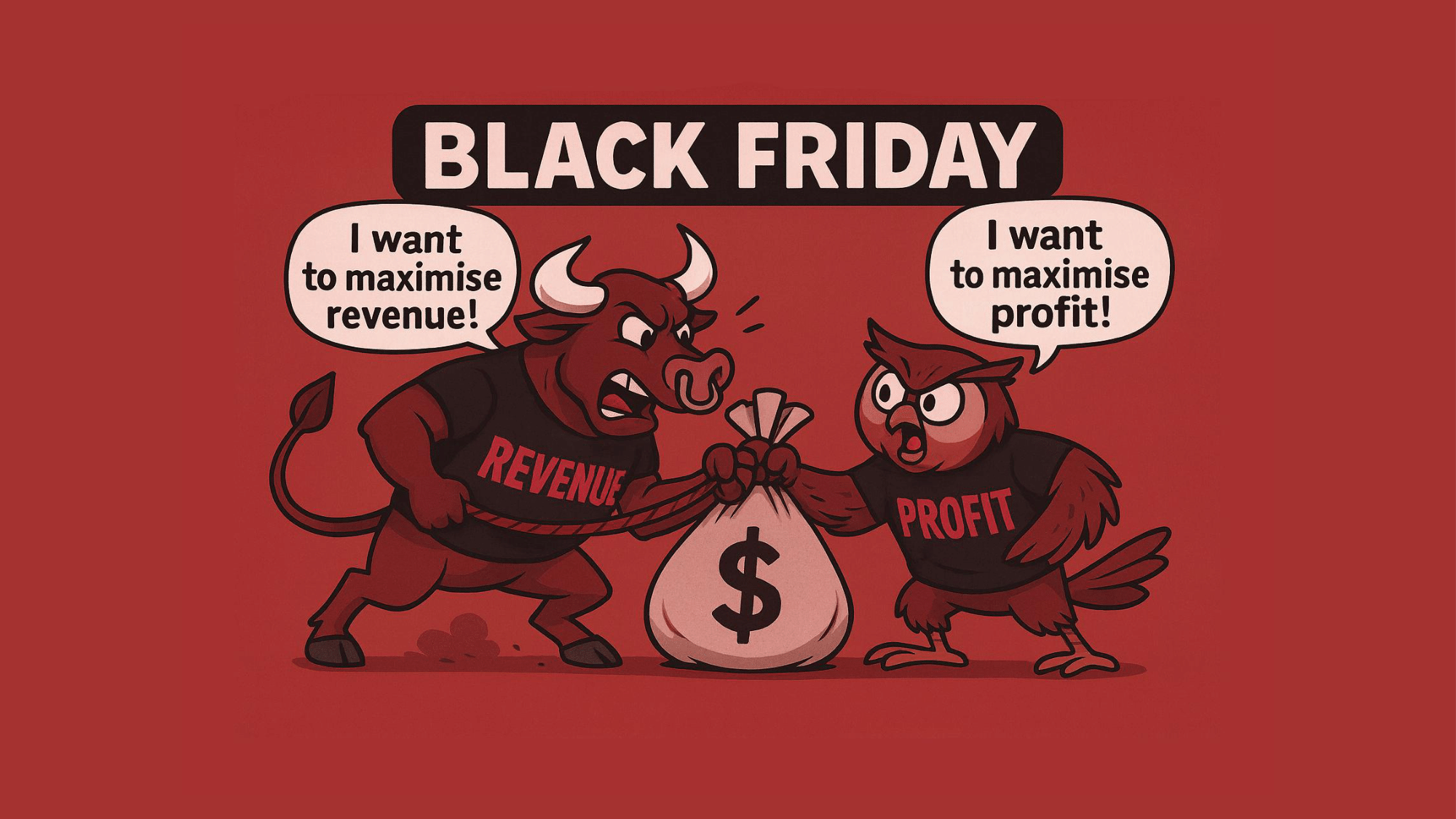
During Black Friday, conversion data lags. Attribution is messy. Revenue alone is not always the right early indicator. Without agreement upfront, teams end up reacting emotionally to short-term fluctuations.
In the campaigns I shared, success was defined in advance, including:
-
Primary commercial targets
-
Acceptable efficiency thresholds
-
Leading indicators to monitor early in November
That clarity made decision-making calmer and far more effective when pressure was highest.
Tip 4: Page speed can make or break Q4
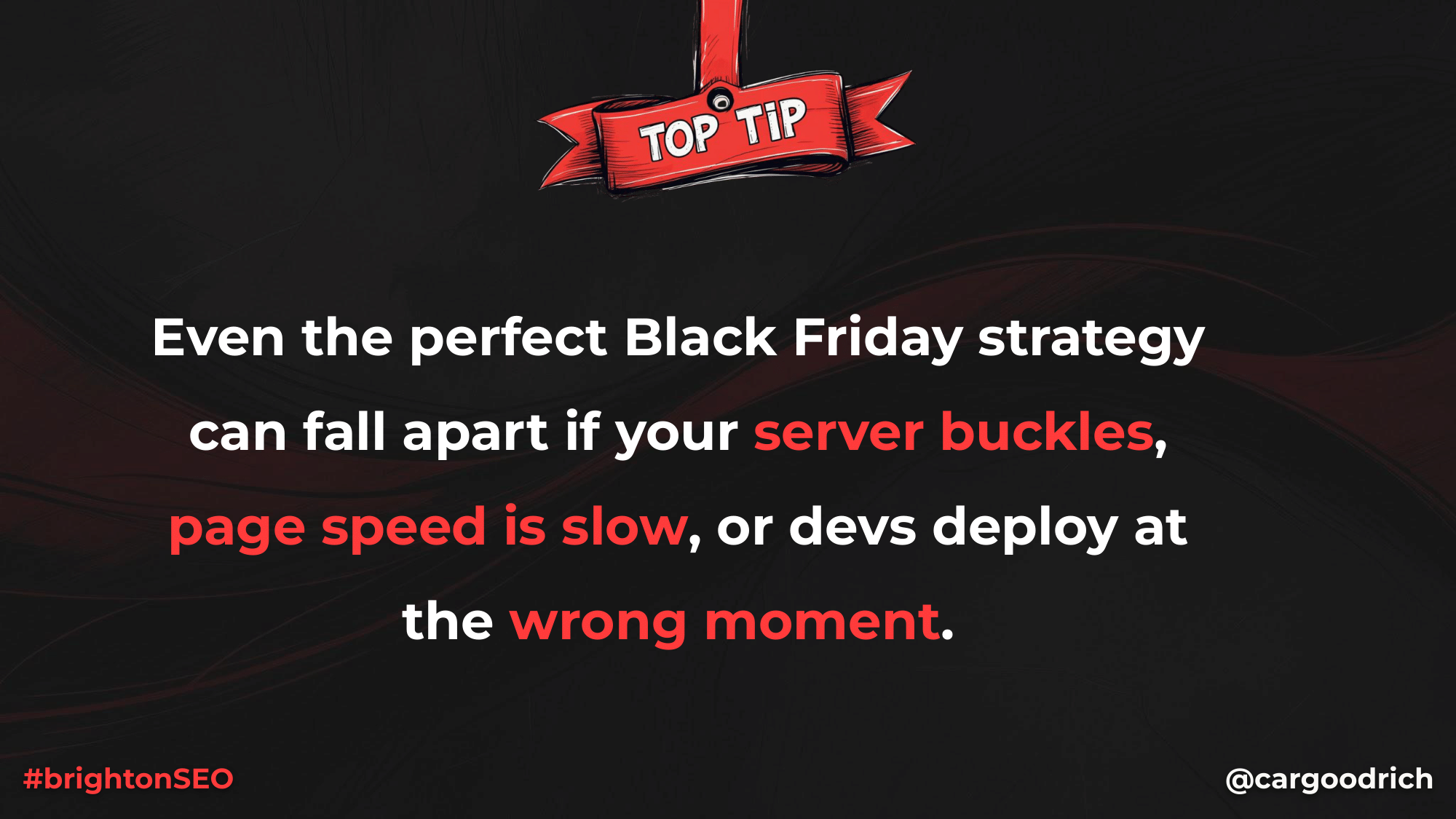
Even the strongest Black Friday strategy can fall apart if your website cannot cope with demand. Page speed and performance are not static, and changes made throughout the year can have a material impact, often without teams realising it.
UX changes, new plugins, plugin updates, tag changes, or server-side adjustments can all degrade performance over time. One of the biggest risks heading into Black Friday is assuming that site speed is still in good shape because it was acceptable a few weeks or even a month ago. Under peak traffic, small issues quickly become costly ones.
This is why page speed should be treated as a CRO priority in the run-up to Black Friday. Key landing pages should be audited well ahead of peak, checked again immediately before peak trading begins, and monitored during the period itself to ensure nothing slips through. The goal is not just stability, but maximising user experience and conversion efficiency when demand is at its highest.
We have seen brands lose significant revenue during peak periods simply because performance and infrastructure were not given the attention they deserved. Black Friday magnifies existing weaknesses, and slow or unstable pages are one of the fastest ways to lose revenue when competition is fiercest.
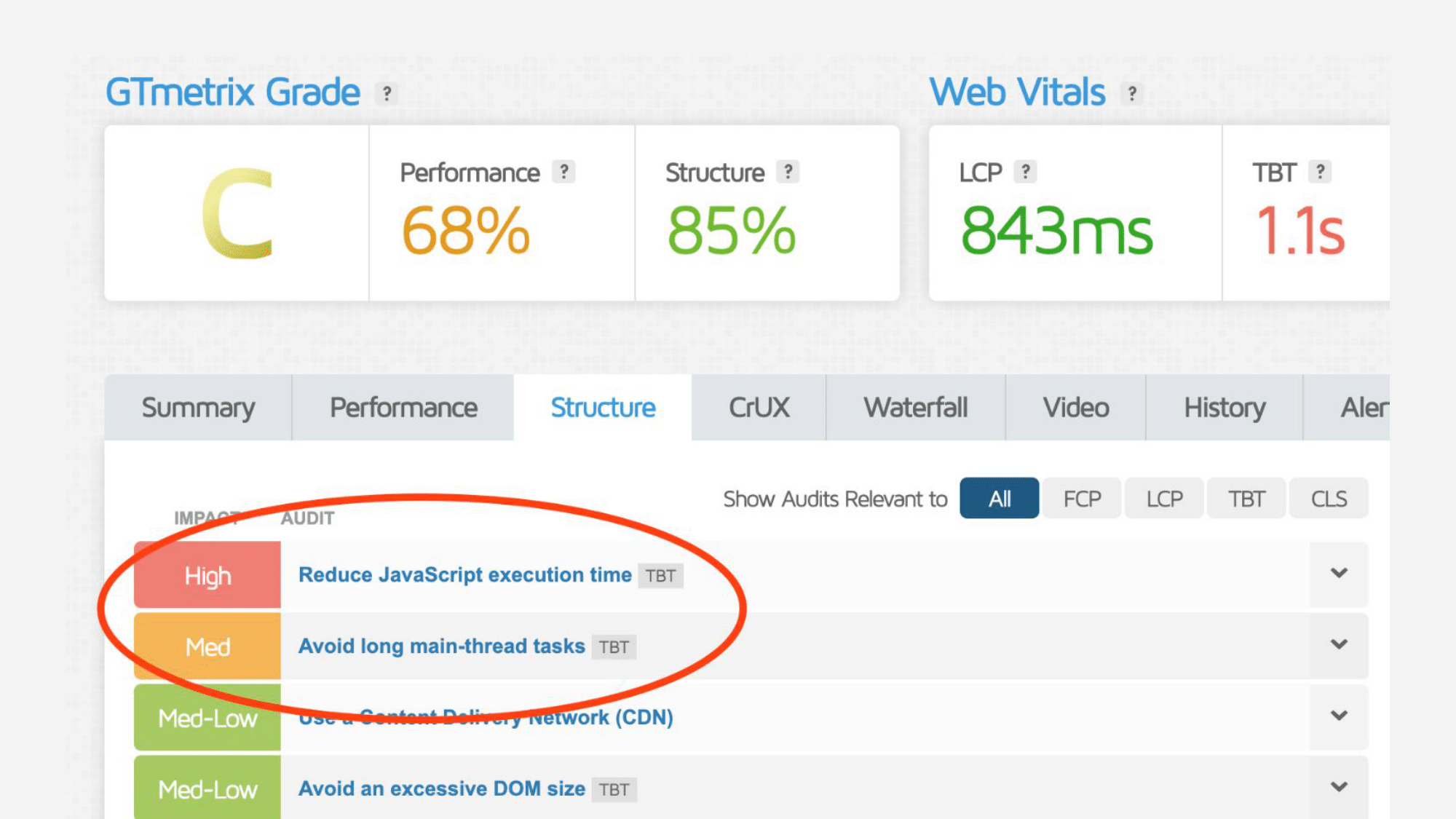
As part of my work at SOZO, I use premium page speed auditing tools such as GTmetrix to review critical e-commerce landing pages ahead of peak trading. This allows high and medium impact issues to be identified early and resolved properly, rather than reacting once performance has already suffered.
I am meticulous about page speed for my e-commerce clients, not just for Black Friday, but throughout the year. Fast, reliable pages are foundational to strong PPC and CRO performance, and peak trading is where the value of getting this right becomes most visible.
Tip 5: Involve your development team early, not at the last minute
One of the most important, and most overlooked, aspects of Black Friday preparation is early and open communication with your developer or development team. The sooner those conversations start, the better.
Any changes required to improve site performance, UX, page speed, or overall readiness for peak trading often need more than a quick fix. They can involve discussion, planning, implementation, and thorough testing. Leaving these conversations until the last minute dramatically increases risk, and limits the options available when it matters most.
Ahead of Black Friday, I make a point of opening up communication early with whoever is responsible for the website’s development. During my talk, I joked that marketers sometimes need to be brave and knock on the door of their development team to start those conversations. It landed because it reflects a common reality in our industry, where marketing and development teams often work in silos and cross-department communication can be challenging:

That separation is understandable, but it becomes a problem during peak trading. When developers and marketers work towards a shared goal, rather than in parallel, the impact on site stability, performance, and conversion can be substantial.
As part of this process, I work closely with developers to:
-
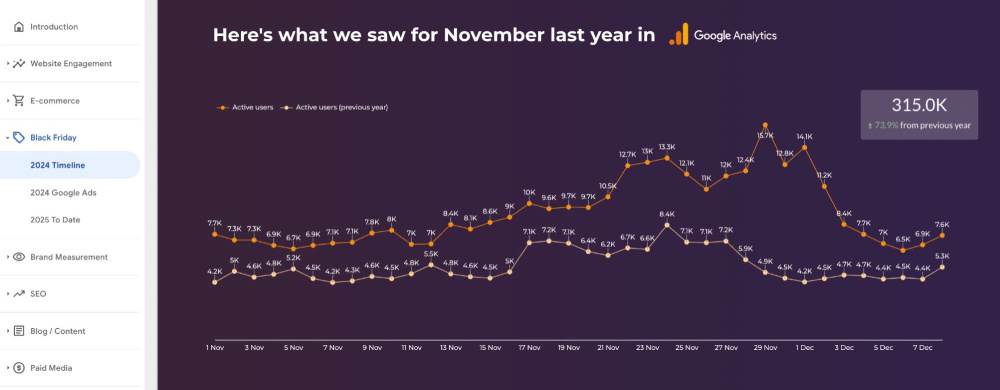
Review GA4 active user data and traffic patterns from previous Novembers
-
Forecast likely demand for the upcoming peak period
-
Identify any new site features, plugins, or components that could add pressure to servers or page load times
Sharing clear, easy-to-digest reporting from previous Black Friday periods, backed by year-on-year performance data, helps illustrate how demand builds and peaks across November. When paired with traffic and demand forecasts for the year ahead, this enables proactive decisions around server capacity, caching, hosting, or site changes, rather than last-minute fixes:
Finally, timing matters. Essential changes should be completed and fully tested well ahead of Black Friday, with non-critical deployments avoided during peak. Stability matters just as much as speed, and protecting the site during its most commercially important period should always take priority.
Tip 6: Use Microsoft Clarity to surface fast, actionable UX insights
Too many e-commerce teams sit on valuable UX data without the time or confidence to turn it into meaningful action. That is where Microsoft Clarity becomes incredibly powerful, especially when paired with AI summarisation.
I use Microsoft Clarity extensively across my PPC clients’ sites to understand how users actually behave once they land. Not just where they click, but where they hesitate, scroll past key content, or interact in unexpected ways. Clarity’s AI-driven summaries allow me to quickly surface recurring friction points, behavioural patterns, and usability issues that would otherwise take hours of manual analysis.
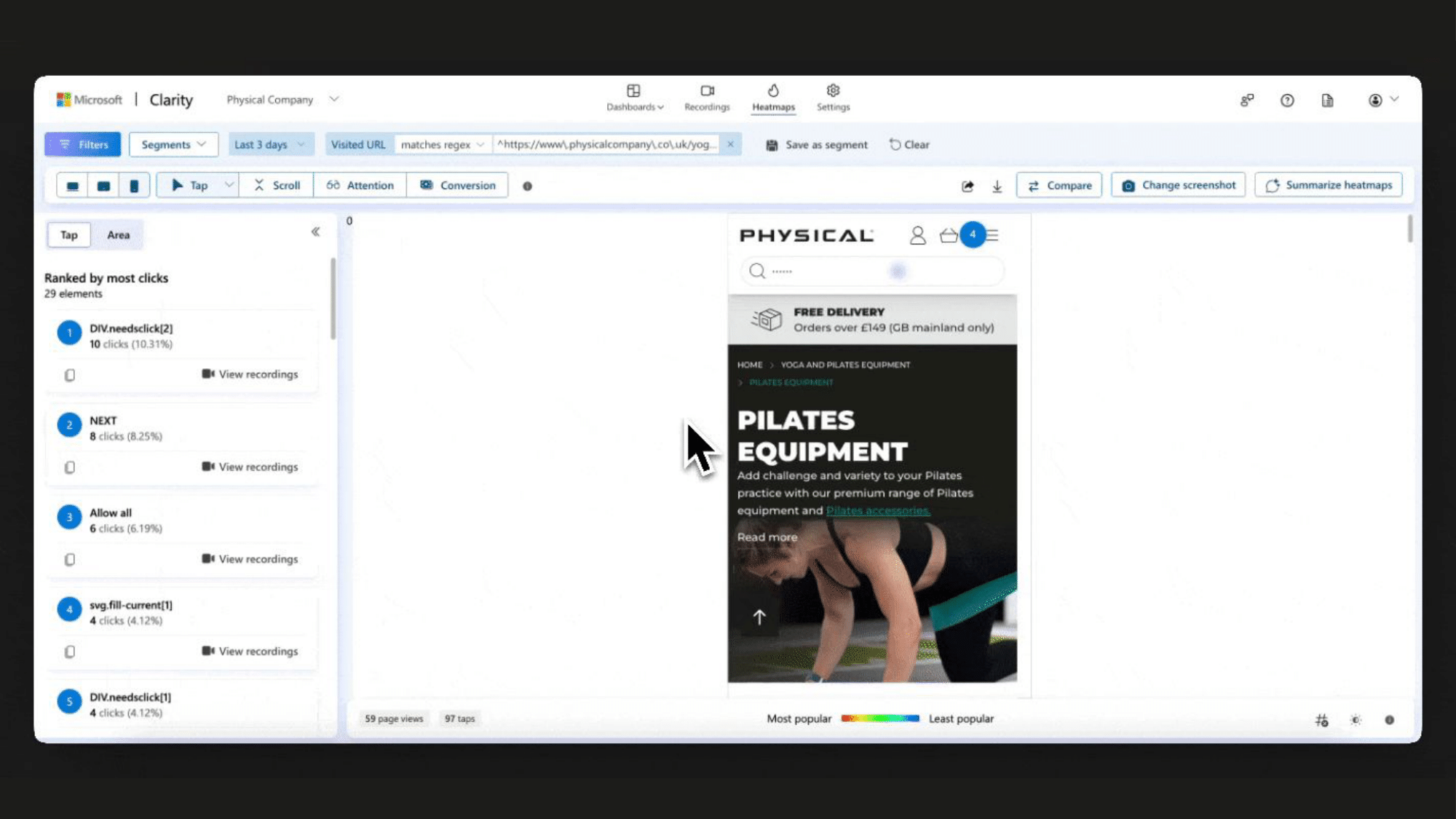
This insight directly informs how I optimise landing pages, ad messaging, and funnel structure. It helps me validate assumptions, prioritise CRO changes, and ensure paid traffic is landing on pages that genuinely support conversion.
In the lead up to peak trading periods like Black Friday and Q4, this approach allows me to spot issues early, act quickly, and make confident optimisation decisions backed by real user behaviour rather than guesswork.
Tip 7: Give shoppers a reason to choose you beyond price
Conversion rate during Black Friday is often driven by pricing and promotions. But what happens when you’re competing on like-for-like products and similar offers? What if the same SKUs can be found across multiple retailers, marketplaces, and touchpoints?
This is the reality for many of the e-commerce brands I work with, and it was particularly true for one of the brands this approach was based on.
In the lead up to Black Friday, it’s essential to ask a simple but important question: aside from price, why should someone choose you?
For one brand I work with, the answer wasn’t discounting harder. It was differentiation. They offered an extended warranty that went beyond what a customer could get for the same product and price on Amazon. A loyalty incentive, such as £10 off a first order, helped with new customer acquisition and provided a clear reason to buy directly, especially in a market where “10 percent off your first order” has become the norm.
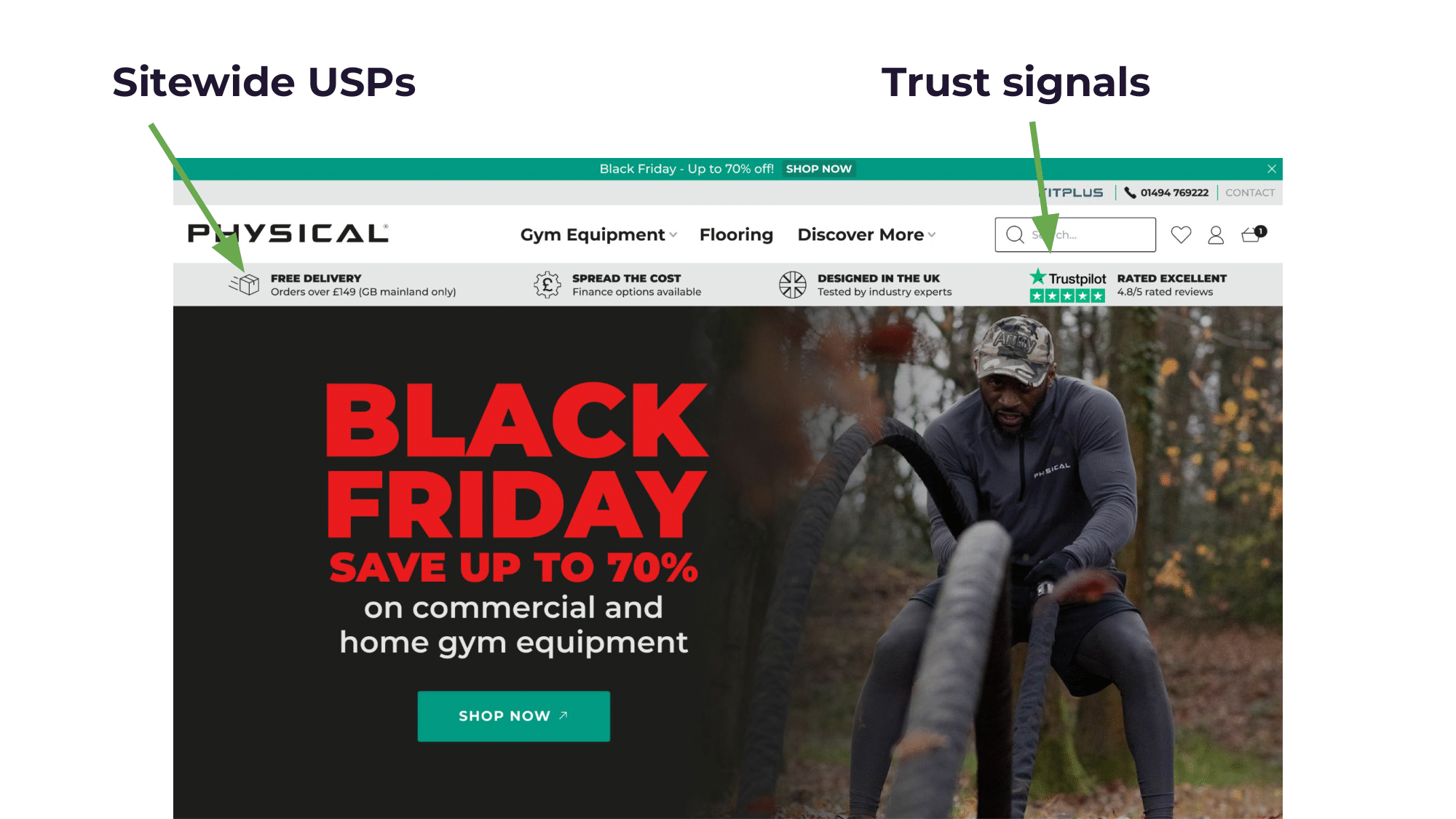
The key is to make sure your trust signals and unique selling points are highly visible across your entire site, not just your homepage.
Many brands still assume the homepage is where most journeys begin. In reality, particularly during Black Friday, that’s rarely the case. If you’re running Shopping ads or performance campaigns, a large proportion of users will land directly on product detail pages. For many, that page will be their first impression of your brand.
How clear are your USPs and trust signals on your product pages? On your collection pages? On supporting content like blogs and buying guides?
Making trust signals visible sitewide doesn’t just support conversion and retention across all channels. It also strengthens your wider visibility. Google increasingly looks for brands that demonstrate E-E-A-T, and the same signals help AI systems like ChatGPT and Google Gemini better understand who you are, what you offer, and how trustworthy you are.
That matters in the early research and consideration stages of the journey, long before a user is ready to convert.
Tip 8: Unlock faster, stronger ad creative with AI image generation
For many e-commerce brands, producing high quality ad creative for Black Friday and Q4 has traditionally been limited by one or more familiar constraints. Budget. Turnaround time. Or simply not having the right creative expertise in house when it is needed most.
AI image generation tools such as Nano Banana and Google Gemini 3 Pro are changing that equation.
These tools allow brands to rapidly generate lifestyle, product, and campaign ready imagery that feels intentional and on brand, without relying on lengthy photoshoots or over stretched creative teams. With the right prompts and reference images, it is now possible to create compelling ad visuals tailored to specific audiences, landing pages, and seasonal messaging within minutes rather than weeks.
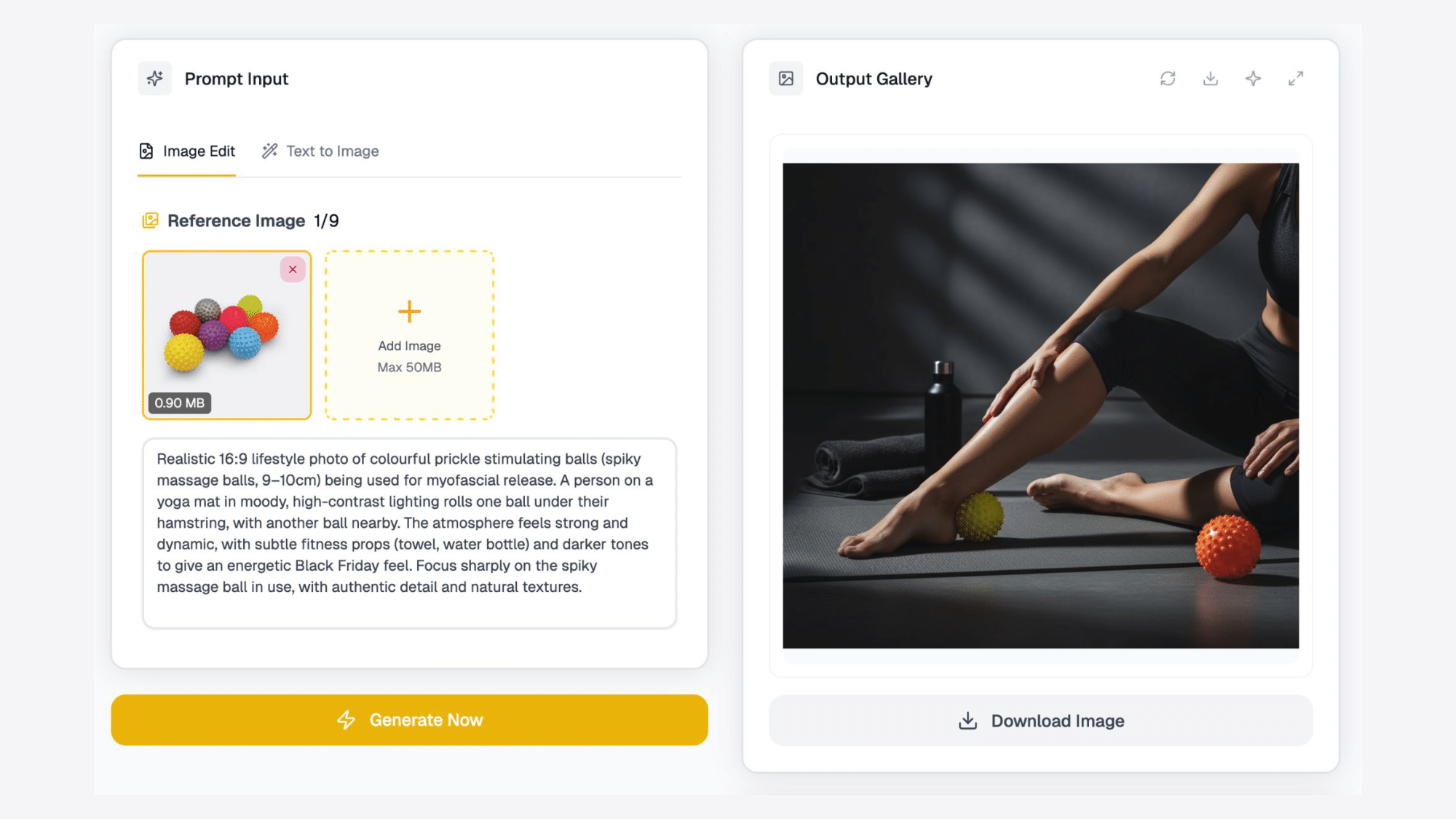
I work closely with my PPC clients to identify exactly where AI generated imagery can drive real commercial impact. This is not generic AI output. I use meticulously detailed, campaign led prompting to produce high quality creative that is tightly aligned to brand guidelines, audience intent, and performance objectives.
This allows me to refresh paid search and Performance Max creative quickly, strengthen landing page visuals, and test new creative angles without the cost, delays, or dependency of traditional photoshoots. Every image is created with a clear purpose, whether that is improving engagement, reinforcing trust, or better matching creative to the intent behind the click.
AI image generation, when used properly, is not about cutting corners. It is about unlocking speed, control, and consistency at scale. Especially in Q4, this gives brands the ability to move faster than competitors, test with confidence, and maintain visual quality under intense time pressure.
Tip 9: Confirm budgets in writing and monitor spend pacing
Always confirm forecasts and budgets in writing ahead of Black Friday. Verbal agreement over the phone or in meetings is not enough.
When I manage PPC accounts for clients, we discuss the opportunity and forecasted ad spend required ahead of peak using data-led insights. Once budgets and pacing are agreed in writing, these are monitored closely throughout the Black Friday period. This is not just about reigning spend in, but also about identifying where there is opportunity to scale investment when profitable returns are available and demand is there to captur
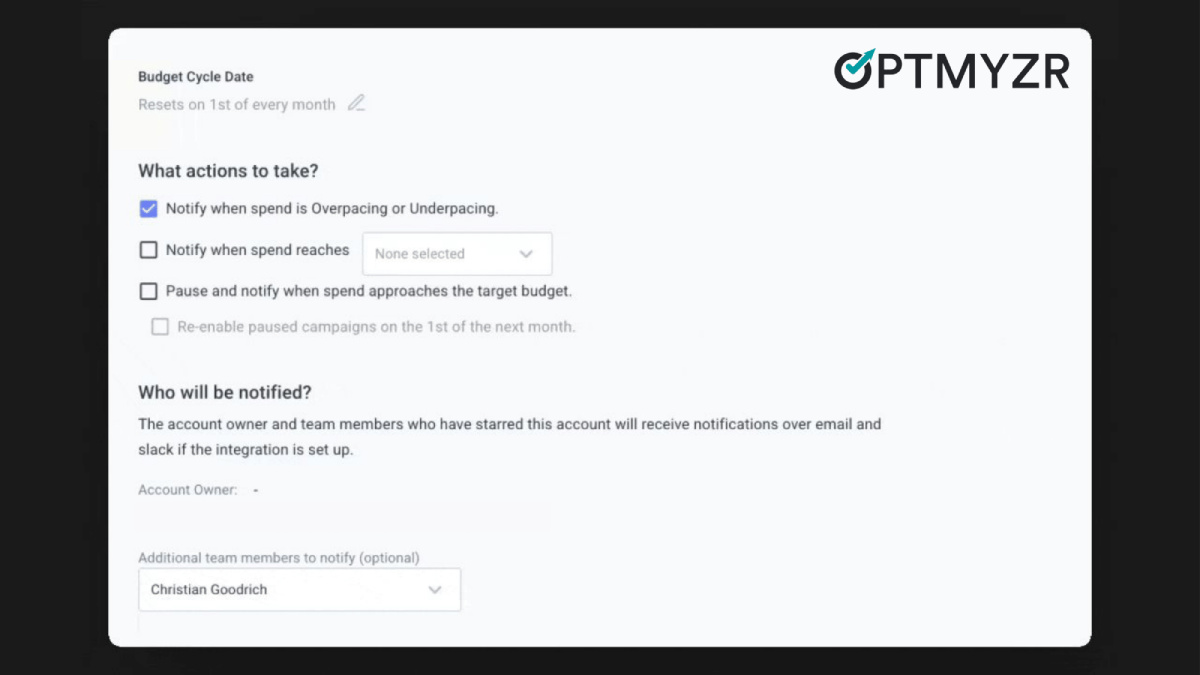
As part of my monthly PPC management, I pair hands-on experience with premium PPC tools such as Optmyzr to ensure spend pacing, budget caps, and automated notifications are firmly in place when thresholds are reached. I also build dedicated “Last 14 Days” and other similiar views into tailored reporting so both myself and my clients have clear, daily visibility of spend during peak, alongside revenue, ROAS, and other critical performance metrics.
Tip 10: Prepare backup payment methods and contingency plans for your PPC spend
Imagine having the right strategy, strong creative, and best practice campaigns fully aligned, only for your ads to pause during peak due to an unforeseen billing issue. This is one of the easiest ways to lose revenue during Black Friday.
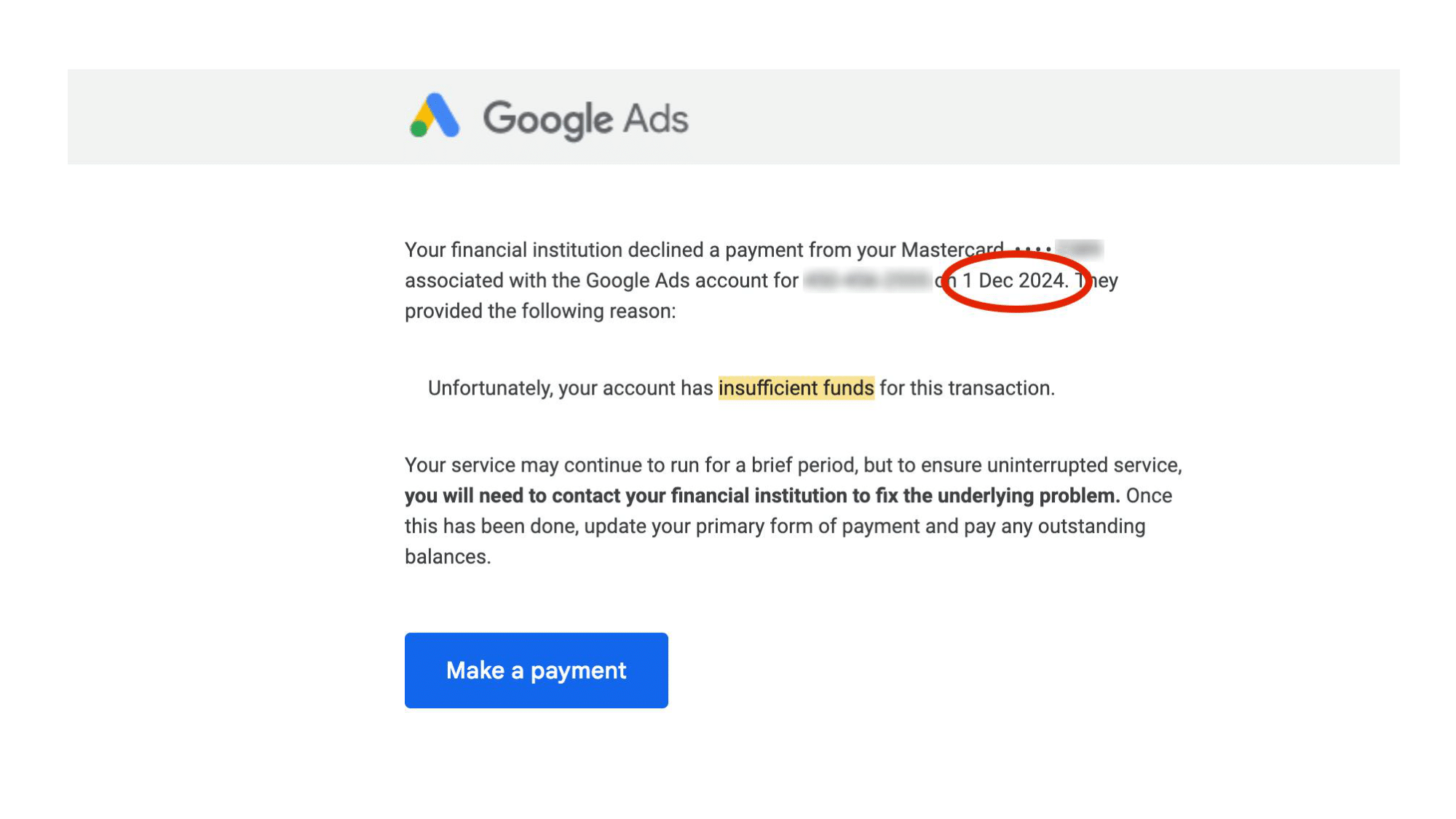
Spikes in demand and search activity can drive higher than normal spend across accounts. While forecasts may account for this in theory, it is also essential to consider whether credit card limits or available funds can realistically support that increase. An “insufficient funds” warning can bring vital ad activity and brand exposure to a sudden halt at the worst possible moment.
To mitigate this risk, prepare spend forecasts in advance and ensure sufficient funds are available across all active payment methods throughout peak. Set up secondary and backup payment methods that can be used immediately if a billing issue occurs. Make sure this is applied consistently across Google Ads, Microsoft Ads, Meta, and any other paid media platforms you are investing in.
Tip 11: Use ad assets to improve CTR and lower CPC
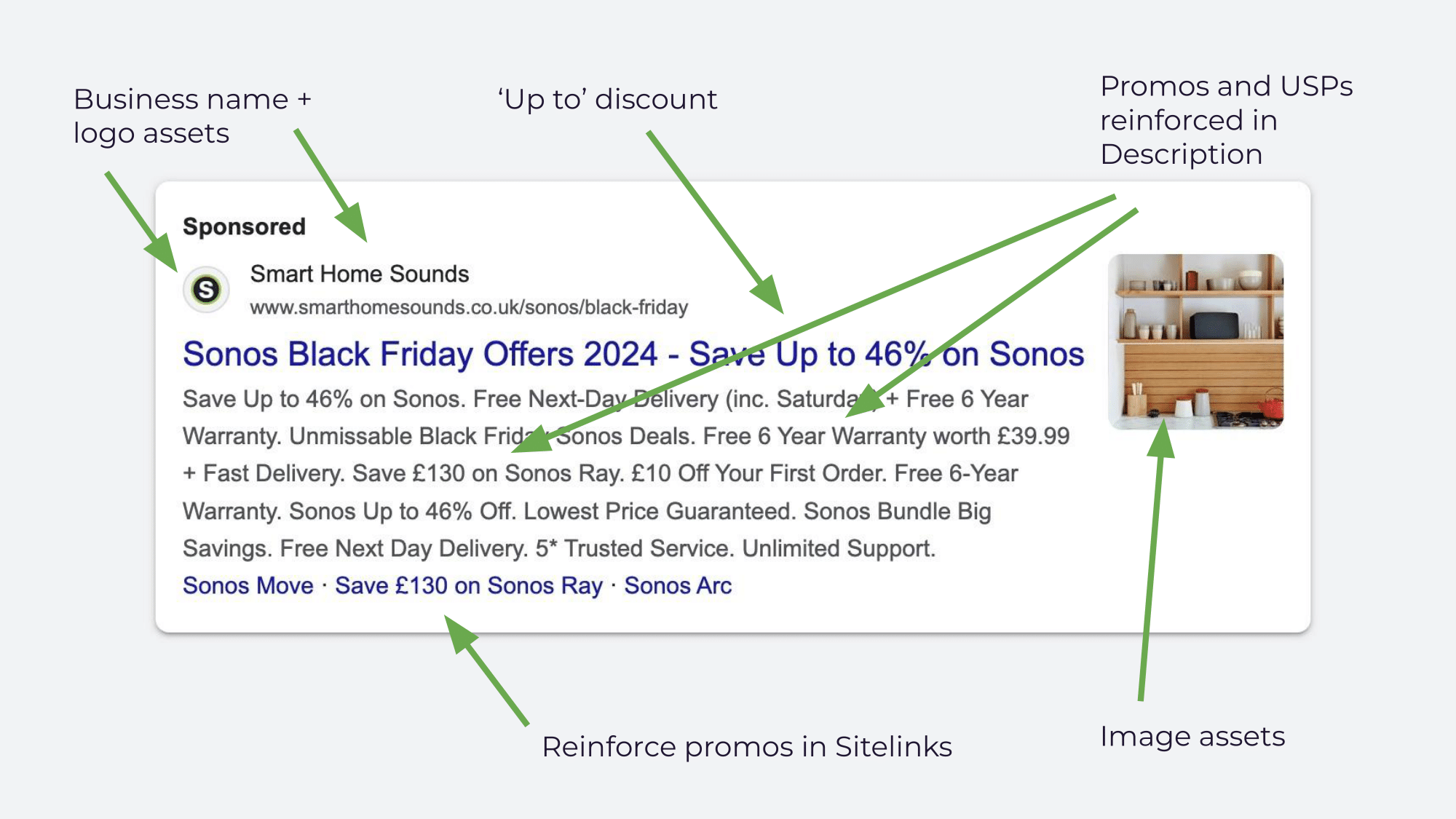
Time and time again, when I take over a Google Ads account from a previous specialist or agency, I find ads that are underutilising ad assets. This is one of the most common missed opportunities I see, particularly during peak periods like Black Friday.
Proactively applying relevant, well-considered ad assets such as Promotions, Sitelinks, and Callouts can materially improve click-through rate and ad rank. In turn, higher-quality ads are often rewarded by Google with lower cost per click, making it easier to drive stronger returns and scale profitably.
During my talk, I emphasised the importance of taking the extra time required to get ad assets right ahead of Black Friday. You cannot guarantee which asset types Google will surface at any given moment, so the safest approach is coverage and consistency.
That means ensuring your strongest offers, deals, and USPs are clearly communicated across multiple asset types, not just one. For example, don’t rely solely on Promotion assets to carry your offers. Reinforce them in your Sitelinks, and send users to relevant landing pages that clearly support and strengthen those messages.
This approach gives Google more high-quality combinations to work with, improves the likelihood that your key messages are seen, and helps protect efficiency when competition and CPC pressure are at their highest.
Tip 12: Resolve Merchant Center issues well before November
Keep a close watch on Google Merchant Center well before and throughout Black Friday.
It’s easy for PPC specialists to develop tunnel vision inside the Google Ads platform and overlook critical signals outside of it. I’m a strong advocate for regularly monitoring and auditing Google Merchant Center, particularly in the lead up to Black Friday.
If Google raises any issues with your products or merchant credentials, this is where they surface. And those issues can appear and change far more quickly than many teams expect. Proactively monitoring Merchant Center and promptly addressing any diagnostics can have a direct impact on preserving performance during peak trading periods.
This also ties closely to the earlier tip around auditing page speed and server capability ahead of peak. Slow page speed or server downtime can result in products being disapproved or delisted within as little as 24 hours. If that disruption becomes widespread and isn’t resolved quickly, it can escalate into account-level suspensions that may take days to recover from.
That’s the last thing you want at the peak of Black Friday. A lack of oversight in Google Merchant Center diagnostics can easily cost a brand thousands in lost potential revenue.
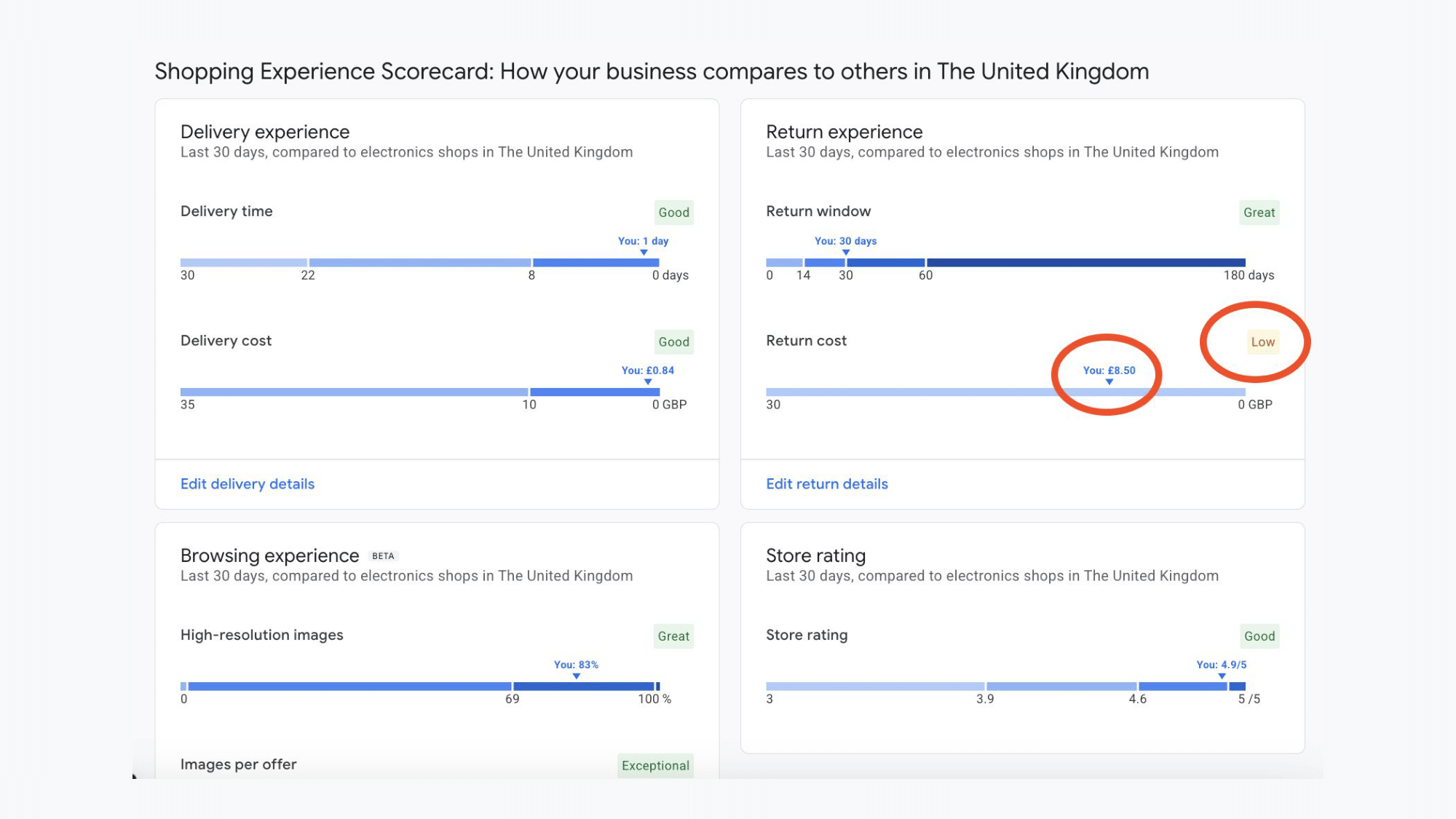
Beyond eligibility and disapprovals, Google Merchant Center is also a valuable source of competitive insight. It allows you to understand how factors such as pricing, delivery cost, delivery timeframes, and returns compare against competitors in Shopping Ads.
I’ve seen this play out first-hand. In one case, an e-commerce brand I worked with increased pricing sitewide to improve profitability, without realising the impact it would have on Shopping performance. Conversion rate dropped sharply as the brand became less price competitive, and Merchant Center insights made that shift immediately visible, including how trends had changed over the previous 28 days compared to the period before.
At SOZO, I use premium monitoring tools that integrate directly with Google Merchant Center to surface alerts as soon as issues arise. I also carry out regular audits before and throughout peak trading periods to ensure everything is performing as intended.
Tip 13: Use supplemental feeds to sharpen your product messaging
For e-commerce brands and marketing managers, I strongly recommend leveraging supplemental feeds for your Google shopping ads. And once this is in place, it can also be synced across to Microsoft Ads to expand your reach!
Supplemental feeds are used selectively to enhance product titles and messaging without disrupting the core feed. This allowed me to highlight incentives for my e-commerce clients like warranties or gifts where they genuinely added value.
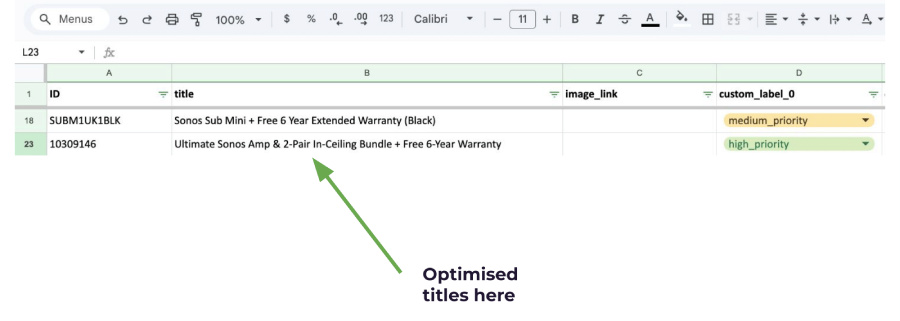
It’s easy to “set and forget” when it comes to product feeds and what is submitted to Merchant Center, but utilising a supplemental feed can help seperate your brand from the competition. You can start small with the infastructure of a supplemental feed and then increase your use of it over time as you see fit.
With all my e-commerce clients, I set this up as standard as part of their Google shopping ads and PPC setup, and teach them how to collaborate with me on it.
A FREE Black Friday planning framework
As part of my BrightonSEO and MeasureFest talk, I created a practical Black Friday planning framework built around the tried and tested tips shared in the session.
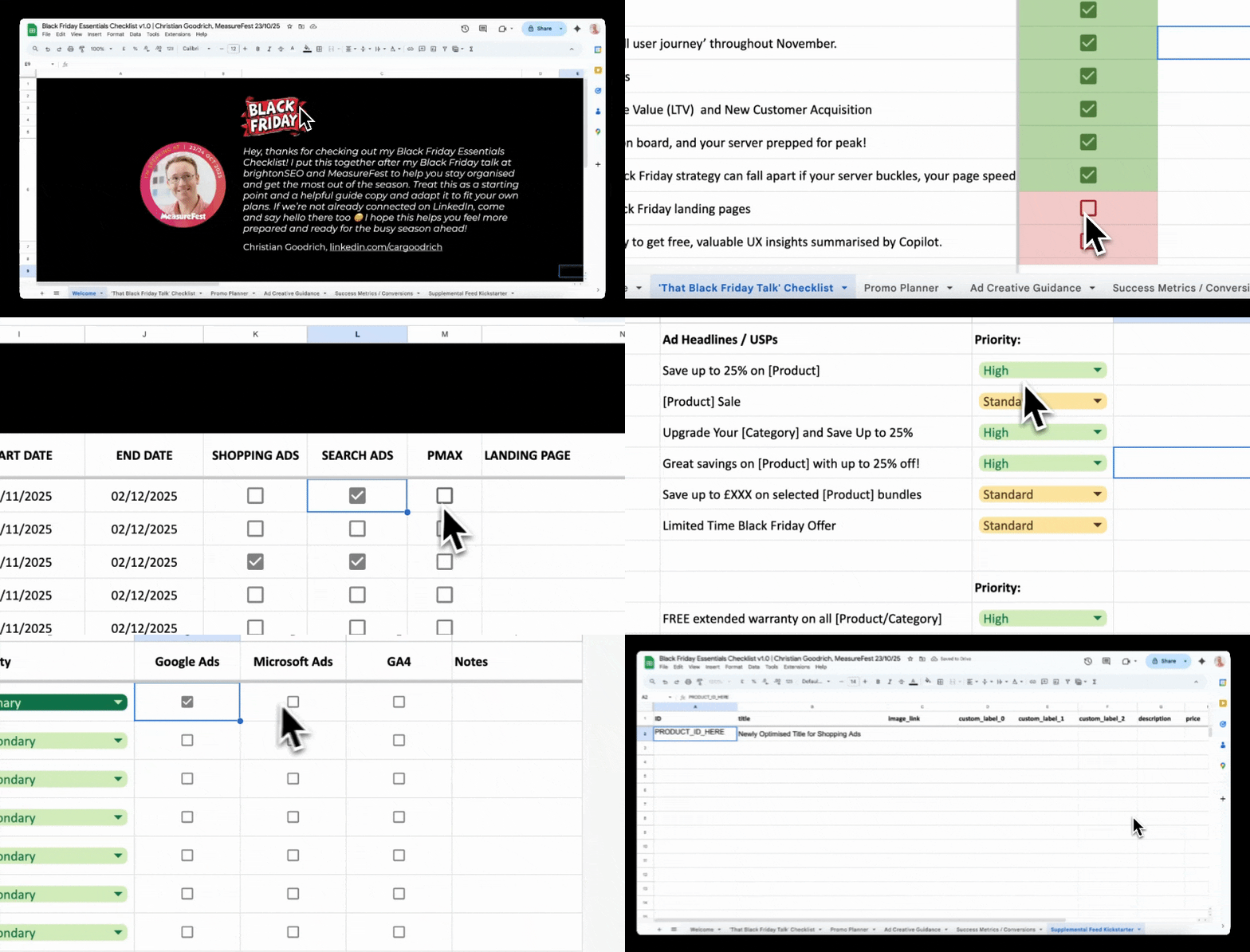
This is not just a checklist. It’s a structured Google Sheet designed to help you plan, prioritise, and pressure-test your Black Friday setup across strategy, CRO, PPC, and measurement.
It’s free to use and deliberately ungated. No forms, no sign-ups, and no email capture.
If you’d like access, simply connect with me on LinkedIn and send me a DM, and I’ll share the direct link to the Google Sheet so you can copy it and adapt it for your own planning.